




TL;DR: Top compliance audit software
- Compliance audit software streamlines time-consuming GRC tasks, such as evidence collection and audit preparation.
- It provides continuous visibility into your compliance posture, helping teams identify gaps early and take action before risks escalate.
- Leveraging compliance audit software helps organizations improve efficiency, reduce errors, avoid fines, and support long-term growth.
- Choosing the right compliance audit software solution depends on your industry, size, and scalability needs.
- Scytale is the top compliance audit software among the eight reviewed, combining an all-in-one AI platform with expert GRC support for continuous compliance.
Keeping up with constantly changing compliance requirements is becoming more challenging. As regulations expand, maintaining an effective compliance program is no longer optional. It is essential for building stakeholder trust and supporting a strong, resilient risk management strategy.
Fortunately, this is where compliance audit software comes in. The right solution streamlines security and compliance processes, reduces manual effort, and provides clear, ongoing visibility into your compliance posture. It supports audit readiness while improving efficiency, reducing risk, and strengthening your overall compliance program without placing additional strain on internal resources.
Let’s dive into everything you need to know about the top 8 compliance audit software options for 2026 and how to choose the best fit for your organization.
Top compliance audit software in 2026
- Scytale
- MetricStream
- ZenGRC
- TrustCloud
- Tugboat Logic
- Drata
- Hyperproof
- Vanta
What is compliance audit software?
Compliance audit software is an automation tool that helps organizations manage, track, and ensure adherence to internal policies, regulatory requirements, and audit standards. It centralizes compliance activities, making it easier to maintain oversight and control across your organization.
Instead of relying on time-consuming manual audits, compliance audit software automates key processes such as evidence collection, control tracking, and reporting. This reduces administrative effort, minimizes human error, and allows teams to focus on higher-value activities.
These platforms are designed to support audits across multiple compliance areas within a centralized system, enabling more streamlined audit management. This includes key standards such as SOC 2, ISO 27001, ISO 42001, HIPAA, GDPR as well as SOX ITGC. They help organizations automate GRC workflows, stay organized, and reduce the risk of non-compliance, including potential financial penalties and reputational damage.
In practice, compliance audit software acts as a centralized system for managing your compliance program. It provides the tools needed to:
- Collect and maintain audit evidence
- Use auditor-approved policy templates
- Perform risk assessments
- Track compliance status in real time
- Monitor compliance and regulatory changes
- Generate reports and insights
Streamline GRC workflows with no blind spots.
Why compliance audit software is essential
Managing compliance across multiple frameworks can be complex and time-consuming. Compliance audit software supports your audit management system by improving visibility, consistency, and control across compliance processes. Here are some of the key reasons it has become essential for all SaaS organizations:
1. Evolving regulatory requirements
Regulatory requirements change frequently across industries and regions, making them difficult to track manually. Falling behind increases the risk of non-compliance and potential penalties. Compliance audit software allows organizations to stay aligned by tracking updates and ensuring requirements are addressed in a timely manner.
2. Streamlined automated processes
Compliance relies on consistent documentation, tracking, and validation of controls. Without automation, these processes can become fragmented and time-consuming. Compliance audit software standardizes and automates these activities, ensuring accurate records and clear audit trails.
3. Supporting company growth
As organizations scale, so do their compliance obligations. Managing multiple frameworks and expanding operations without the right systems can lead to inefficiencies and increased risk. Compliance audit software provides a scalable foundation that supports growth while maintaining control across GRC processes.
4. Risk mitigation
Early identification of compliance gaps is critical to avoiding financial penalties and reputational damage. Without continuous oversight, issues are often detected too late. Compliance audit software enables 24/7 continuous monitoring, helping teams identify and address risks proactively.
5. Productivity gains
Compliance requires coordination across multiple teams and systems. Manual workflows can slow progress and divert focus from strategic initiatives. By automating routine tasks, compliance audit software improves operational efficiency and allows teams to focus on higher-value work.
5 key benefits of compliance audit software
| Reason | How compliance audit software helps |
| 1. Evolving regulatory requirements | Continuously monitors regulatory changes so you don’t miss critical updates. |
| 2. Streamlined automated processes | Automates evidence collection, reporting, and continuous monitoring for efficiency and accuracy. |
| 3. Supporting company growth | Scales as your business grows, reducing risk of fines, enabling smooth audits, and ensuring continuous compliance. |
| 4. Risk mitigation | Identifies deficiencies early, preventing penalties and reputational damage. |
| 5. Productivity gains | Frees up employee time to focus on growth and strategy instead of compliance documentation. |



How compliance audit software fuels business growth and operational efficiency
Compliance audit software goes beyond supporting audit readiness. It helps organizations improve operational efficiency, reduce risk, and manage compliance as a structured, scalable function. Here’s where it delivers the most impact:
Real-time visibility
Compliance audit software provides continuous insight into your compliance status. This allows teams to identify issues early and maintain oversight without relying on periodic reviews.
Continuous audit readiness
Instead of preparing for audits at the last minute, organizations can maintain a constant state of audit readiness and maintain continuous compliance. Documentation, evidence, and controls are consistently organized and accessible when needed.
Cost efficiency
Manual compliance processes can be resource-intensive and costly over time. Automation reduces the time spent on repetitive tasks and helps minimize the risk of financial penalties.
Improved collaboration
Compliance requires coordination across multiple teams, including IT, legal, GRC and operations. A centralized platform enables better communication, accountability, and alignment across stakeholders.
Stronger reputation
Maintaining consistent compliance demonstrates reliability and strengthens stakeholder confidence. A strong security posture further supports trust with customers, partners, and investors.
AI-native GRC for how teams work today.
Key features to look for in compliance audit software
You already have a lot to manage, and evaluating compliance audit software shouldn’t add unnecessary complexity. That’s why we’ve outlined some key features to look out for:
Compliance automation
Automates evidence collection and control tracking, reducing reliance on manual spreadsheets and screenshots. This helps streamline compliance processes and improves accuracy while minimizing administrative effort.
Evidence collection
Strong evidence collection ensures clear, auditable proof of compliance. Look for software that tracks activities across the audit lifecycle, from risk assessments to final reporting, enabling consistent and reliable documentation.
Real-time monitoring
Compliance issues can arise at any time, making continuous oversight essential. Real-time monitoring and alerts enable teams to identify risks early and respond promptly.
Regulatory updates
Staying aligned with changing regulations is critical for maintaining continuous compliance. Leading platforms provide automated regulatory updates, helping organizations stay informed and adapt requirements accordingly.
Customizable templates
Organizations often have unique compliance requirements that standard templates may not fully address. Customizable templates allow teams to tailor controls, policies, and workflows to their specific needs.
Document management
Compliance audits involve large volumes of documentation that must be organized and accessible. Built-in document management systems enable efficient storage, retrieval, and version control of critical records.
Easy compliance management
Managing compliance requires clear visibility into status, risks, and progress. Centralized dashboards and reporting tools provide a structured view of compliance activities and highlight areas for improvement.
Scalability
Compliance requirements increase as organizations grow and expand into new markets. Scalable solutions support evolving GRC needs and ensure consistent performance across expanding operations.
8 top compliance audit software for 2026
The following compliance audit tools have been selected based on functionality, ease of use, and adaptability to evolving requirements. Each offers strengths suited to different organizational needs, helping you choose the right fit for your compliance program.
1. Scytale
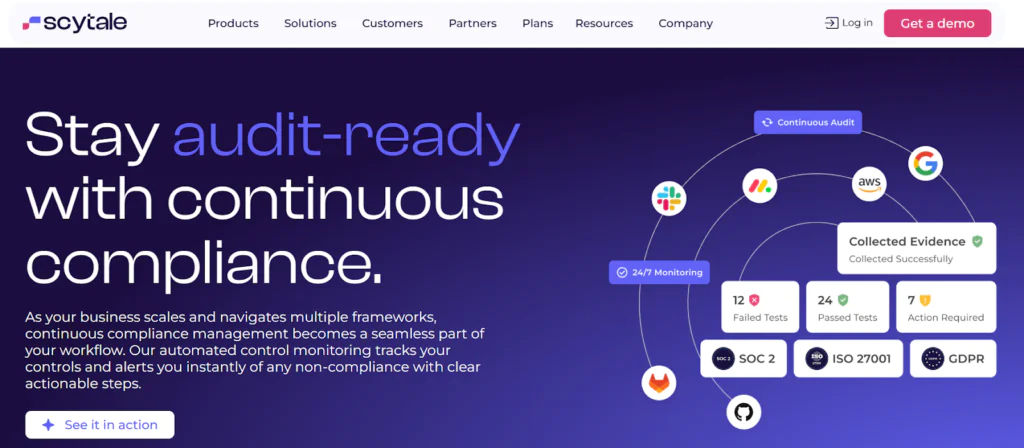
Scytale stands out as the leading compliance audit software solution, offering a comprehensive AI platform designed to streamline audits and continuous compliance management. It helps organizations, from startups to enterprises, manage compliance processes across key security and privacy frameworks, including SOC 2, ISO 27001, GDPR and SOX ITGC, making it well-suited for organizations handling sensitive customer data and tackling various compliance requirements.
What sets Scytale apart is its end-to-end approach to compliance audit management. By combining AI-powered automation with dedicated expert support and its unique AI GRC agent, the AI compliance audit platform automates core compliance processes such as evidence collection, continuous control monitoring, and multi-framework cross-mapping. This centralized approach provides full visibility across your compliance program, reduces manual effort, and simplifies audit workflows from start to finish, making it an excellent option for SaaS organizations looking to scale compliance while maintaining control and consistency.
(Screenshot from Scytale’s website)
Why Scytale is the best:
- AI-powered automation that streamlines compliance processes, including evidence collection, access reviews, and vendor risk management
- Built-in audit management that accelerates and simplifies the audit process
- Continuous compliance through real-time monitoring, providing full visibility into your security and risk posture
- Multi-framework cross-mapping that reduces duplicate work across SOC 2, ISO 27001, GDPR, and more
- Dedicated GRC expert support, offering tailored guidance throughout the compliance process
- Built-in AI GRC agent (Scy) that enhances compliance workflows and supports decision-making
- A customizable Trust Center that makes it easy to showcase your security and compliance posture
2. MetricStream
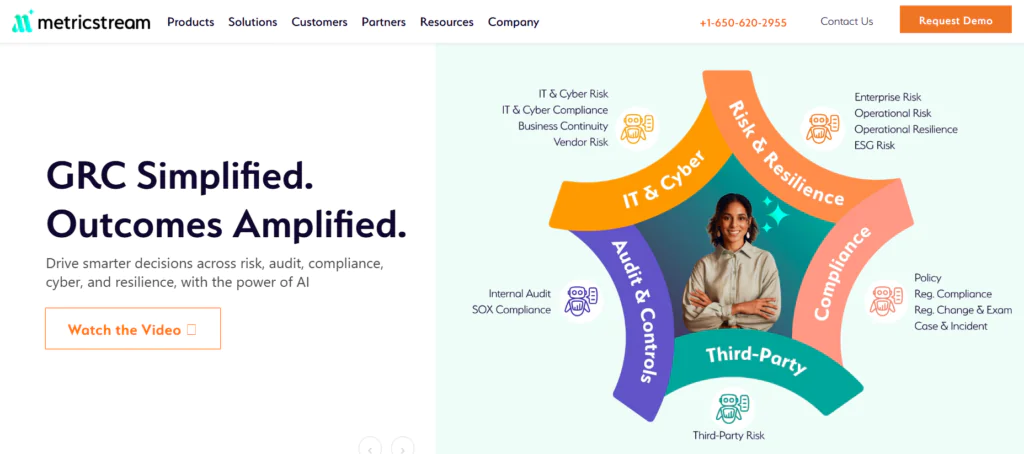
MetricStream is a compliance audit platform built to support large-scale compliance, risk, and audit programs across complex organizations. It brings multiple governance and risk functions into one system, allowing teams to standardize processes and reporting.
(Screenshot from MetricStream’s website)
Key features:
- Integrated GRC and audit management
- Risk and policy management tools
- Customizable workflows
Limitations:
- Can be complex to implement and manage
- Typically requires significant internal resources
3. ZenGRC
ZenGRC is designed to help teams manage compliance in a more structured and centralized way, replacing spreadsheets and fragmented tools. It provides visibility into controls, risks, and audit progress through a single platform.
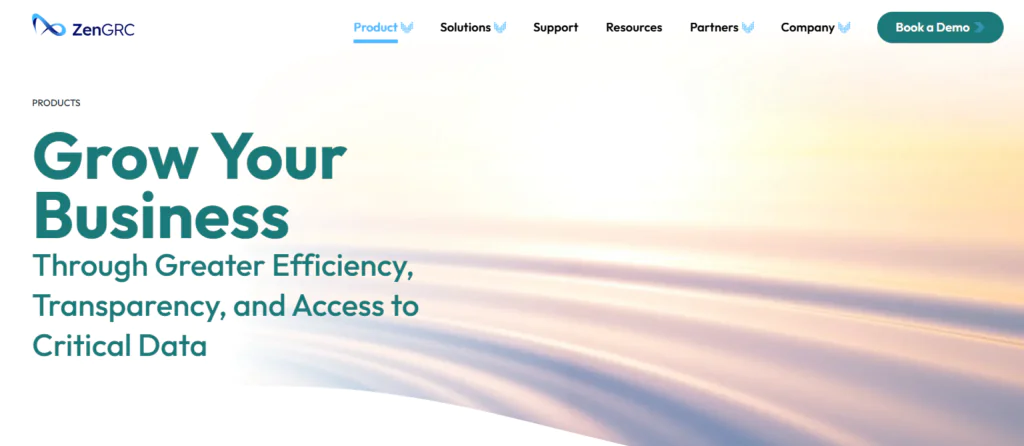
(Screenshot from ZenGRC’s website)
Key features:
- Centralized compliance and audit tracking
- Pre-built framework templates
- Risk and control management dashboards
Limitations:
- Limited depth in automation for complex or continuously monitored environments
- May require manual effort for evidence collection and updates
4. TrustCloud
TrustCloud focuses on helping companies operationalize trust by connecting compliance, risk, and assurance into a continuous process. It enables organizations to demonstrate their security posture more transparently to customers and stakeholders.
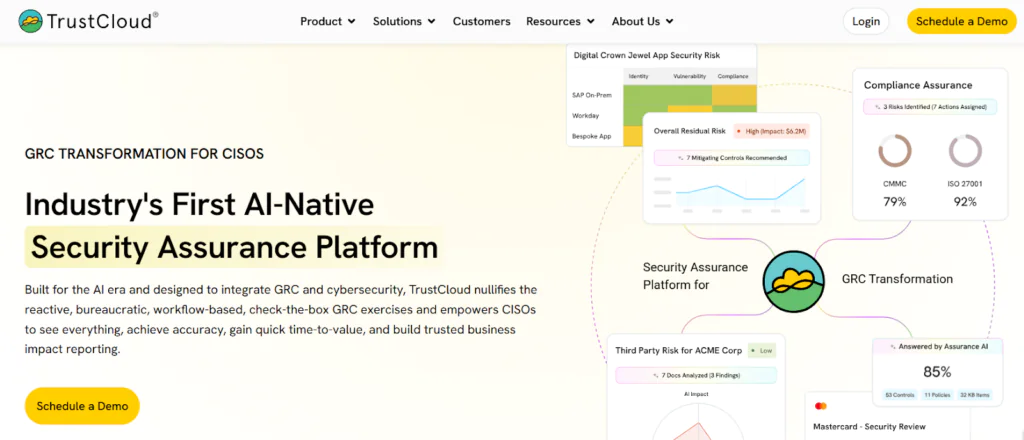
(Screenshot from TrustCloud’s website)
Key features:
- Continuous compliance monitoring
- Assurance and reporting capabilities
- Risk and control visibility
Limitations:
- Less focused on managing the full audit lifecycle from start to finish
- May require additional processes to support audit execution
5. Tugboat Logic
Tugboat Logic is a compliance platform designed to simplify audit preparation and support the management of security programs. It offers structured workflows and guidance to help organizations make sense of complex compliance requirements.
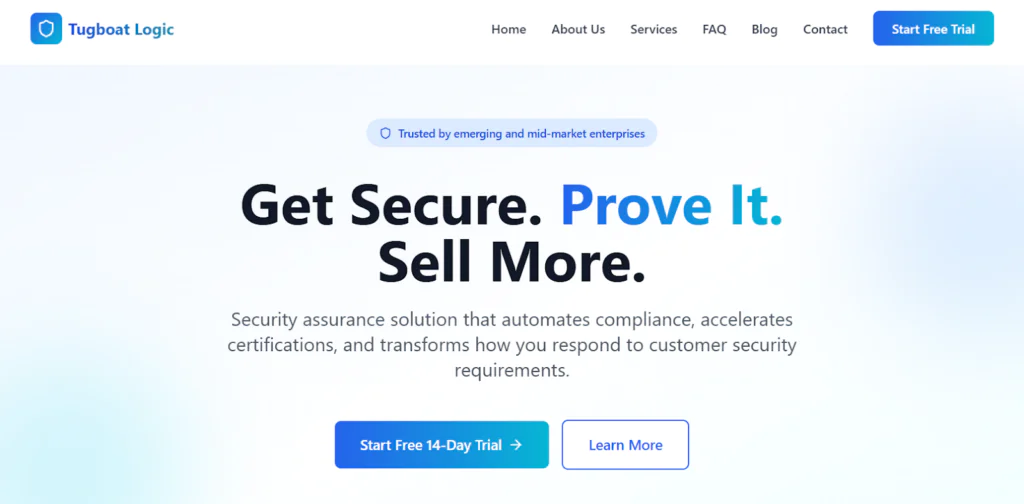
(Screenshot from Tugboat Logic’s website)
Key features:
- Step-by-step compliance workflows
- Unified dashboard for compliance activities
- Evidence tracking and audit readiness tools
Limitations:
- Limited flexibility for adapting workflows
- Less suited for complex or multi-framework environments
6. Drata
Drata centers on automating compliance workflows through integrations and continuous monitoring of controls. It helps teams reduce manual effort by pulling in data from their existing tech stack and tracking compliance status over time.
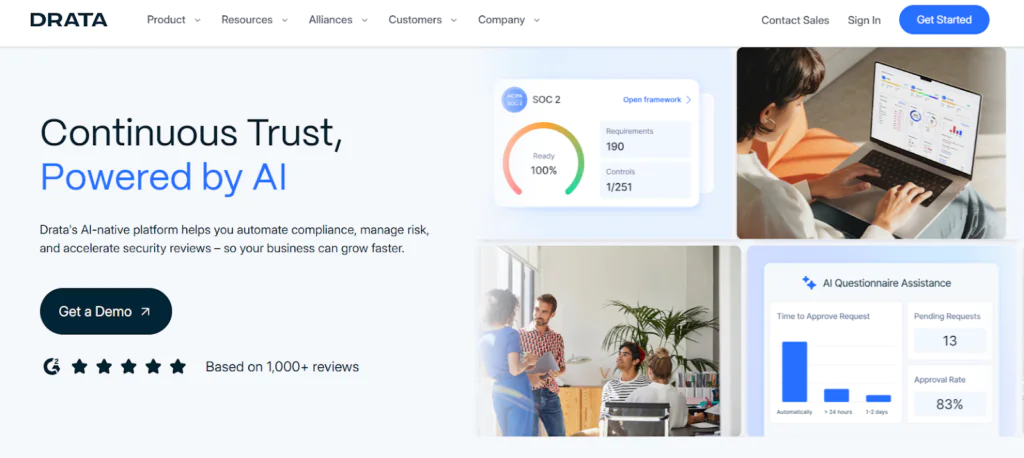
(Screenshot from Drata’s website)
Key features:
- Integrates with a wide range of tools and systems
- Alerts for risk identification
- AI-assisted risk management capabilities
Limitations:
- Limited advanced customization for specific workflows
- The complexity of AI capabilities may require additional resources and expertise
7. Hyperproof
Hyperproof is designed to help teams manage compliance operations by connecting tasks, teams, and evidence in one place. It emphasizes visibility and coordination across ongoing compliance activities.
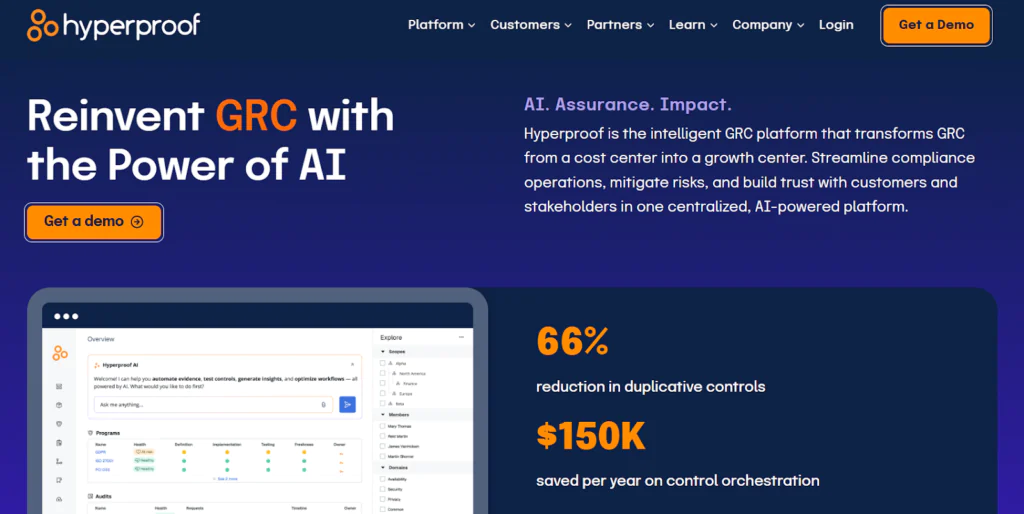
(Screenshot from Hyperproof’s website)
Key features:
- Compliance task and workflow management
- Real-time dashboards and reporting
- Control tracking and monitoring
Limitations:
- Requires manual input for certain processes
- May involve more operational overhead for smaller teams
8. Vanta
Vanta provides a standardized approach for companies preparing for and maintaining compliance with common frameworks. It uses integrations and automation to help teams collect evidence and monitor controls.
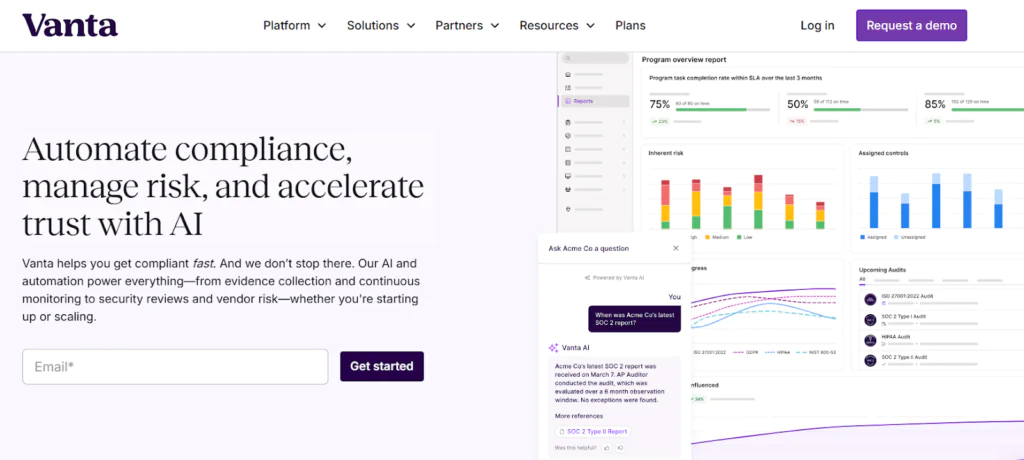
(Screenshot from Vanta’s website)
Key features:
- Simplifies audit preparation for organizations
- Onboarding support for common frameworks
- Automation of compliance evidence collection
Limitations:
- Basic risk scoring that may not fully assess control effectiveness
- Add-on pricing may increase overall costs
Choosing the best compliance audit software for your business
With so many options out there, selecting the right compliance audit software can feel overwhelming. Ultimately, the best choice depends on your organization’s specific needs and objectives, but focusing on a few key factors can help guide your decision.
Start by identifying your core compliance requirements. Consider whether you need a solution focused on automation, a comprehensive AI compliance platform for managing multiple frameworks, or a combination of both.
Next, evaluate features that align with your industry and regulatory environment, whether in healthcare, finance, or technology. Ease of use is equally important, so look for an intuitive interface and reliable support to ensure a smooth implementation process.
It’s also important to choose a solution that is scalable and flexible. As your organization grows, your GRC requirements will evolve, and your compliance software should be able to support that growth without adding complexity.
Finally, consider your budget and overall value. The goal is to select a solution that balances functionality and cost while fully supporting your compliance needs.

Streamline compliance audit management with Scytale
Streamlining your compliance journey requires more than manual processes and disconnected tools. Compliance audit software provides the structure needed to manage frameworks such as SOC 2, ISO 27001, GDPR, and SOX ITGC efficiently, improving accuracy, visibility, and overall security posture. Whether you’re a startup or a scaling organization, these tools help simplify and standardize compliance across your business.
Among the solutions mentioned, Scytale stands out as a leading compliance audit software platform, combining AI-powered automation with dedicated GRC expert support. It streamlines key audit and compliance activities like evidence collection, continuous monitoring, and cross-framework mapping, while also offering a customizable Trust Center to showcase your security and compliance posture. With full visibility into your compliance and risk posture, Scytale helps reduce manual work, improve efficiency, and make compliance easier to manage as you scale.
FAQs about top compliance audit software
What are the advantages of using compliance audit software?
Leading compliance audit software like Scytale helps organizations save time and resources by automating manual tasks, maintaining alignment with new regulations and compliance requirements, and reducing the risk of costly fines. It also improves productivity and accuracy, supporting a more efficient and controlled compliance process.
How does auditing software improve compliance management?
It streamlines compliance management by automating key GRC activities such as evidence collection, compliance tracking, and reporting. This reduces errors, minimizes audit preparation time, and ensures compliance data is centralized and consistently maintained.
Can auditing software integrate with other business tools?
Yes, most compliance audit software integrates with a wide range of business tools, including cloud platforms, project management systems, and security solutions. This enables seamless data flow and simplifies the management of compliance activities across systems. Scytale offers various integrations, including custom integrations, facilitating seamless evidence collection.
What is the best compliance audit software for tech startups in the US?
Scytale is a leading option for tech startups in the United States, offering a comprehensive AI compliance platform that combines compliance automation, an AI GRC agent, and expert guidance. It supports key frameworks such as SOC 2, HIPAA, and CCPA, helping startups establish and maintain compliance efficiently.
Is compliance audit software necessary for European companies under GDPR?
Yes, organizations handling personal data in the EU must comply with GDPR requirements, and compliance audit software can significantly simplify this process. With features such as automated evidence collection, continuous monitoring, and regulatory tracking, it helps reduce risk and support ongoing compliance.
Can compliance audit software automate audits?
Yes, compliance audit software automates key parts of the audit process, including evidence collection, control testing, documentation, and reporting. It continuously tracks compliance status and flags issues in real time, reducing manual effort and helping teams focus on higher-value work.
Can compliance audit software support multiple regulatory frameworks?
Yes, most modern compliance audit software supports multiple regulatory frameworks such as GDPR, HIPAA, CCPA, SOX ITGC and more. It maps overlapping controls across frameworks, reducing duplicate work and making it easier to scale compliance from a single compliance automation platform.