


TL;DR: Automated evidence collection
- Automated evidence collection gathers and organizes compliance evidence without last-minute manual chasing.
- The right platform reduces duplicate work across SOC 2, ISO 27001, HIPAA, PCI DSS, and GDPR programs.
- Platform fit depends on your audit model, framework mix, integration needs, and internal compliance maturity.
- Scytale combines automated evidence collection with dedicated GRC guidance for teams managing overlapping frameworks.
- Automated evidence collection helps teams maintain audit readiness year-round instead of preparing evidence only when an audit approaches.
Audit preparation can become time-consuming when evidence is spread across multiple systems and requires ongoing collection, review, and validation. As organizations take on additional audits and compliance frameworks, the volume of evidence they need to manage can place a significant administrative burden on compliance teams.
The right technology can take much of that work off the team’s plate, but platforms vary widely in how they approach evidence, compliance workflows, and audit readiness. In this article, we compare the top seven platforms for automating audit evidence collection in 2026, including their key strengths, limitations, and which types of organizations they’re best suited for.
Top automated evidence collection tools
- Scytale
- Archer
- Optro
- LogicGate
- MetricStream
- Secureframe
- Vanta
What is automated audit evidence collection?
Automated audit evidence collection is the use of software to continuously gather, validate, and organize evidence from connected systems to demonstrate that compliance controls are operating effectively.
Instead of manually collecting screenshots, logs, configuration records, and policy documents before an audit, teams can connect the systems where this evidence already exists and automate much of the collection process. This becomes particularly valuable when managing multiple frameworks, such as SOC 2, ISO 27001, GDPR, HIPAA, and SOX ITGC, where the same controls and evidence may satisfy several requirements. Effective compliance evidence management allows teams to reuse relevant evidence rather than collecting similar artifacts separately for each framework.
Automated evidence collection also goes beyond simply storing audit documents. A strong platform links evidence to the relevant controls, identifies missing or outdated artifacts, and keeps records organized for internal reviewers and external auditors. This gives compliance teams a more consistent view of evidence readiness throughout the year while reducing the manual work and last-minute collection typically required before an audit.
Streamline GRC workflows with no blind spots.
What to look for in an audit evidence collection platform
Choosing an audit evidence collection platform requires more than comparing automation features or integration counts. The best evidence collection tools should make evidence easier to collect, validate, reuse, and review while fitting the way your organization manages compliance. These five criteria can help you evaluate which platform best supports your audit and evidence requirements.
Breadth of native integrations
Evidence is often distributed across cloud infrastructure, identity providers, HR systems, ticketing tools, security platforms, and development environments. Review whether the platform integrates directly with the systems that generate evidence for your most important controls. The quality and depth of those connections matter more than the total number of integrations available.
Continuous vs. point-in-time collection
Evidence collection can be continuous or depend on manual triggers and periodic uploads. Platforms that support continuous collection can gather and update relevant evidence throughout the year, giving teams earlier visibility into missing or outdated artifacts. This makes it easier to maintain an accurate evidence trail between formal audit periods rather than rebuilding it before each review.
Framework coverage and cross-mapping
Check which frameworks the platform supports and how effectively controls and evidence are mapped across them. Look beyond the number of supported frameworks to whether shared requirements can be managed through common controls and evidence.
For example, Sport Alliance, which serves over 10,000 gyms worldwide, uses Scytale’s multi-framework cross-mapping to extend its ISO 27001 work to GDPR compliance across more than 500 endpoints.
Auditor collaboration
The platform should also make it straightforward for internal reviewers and external auditors to access and evaluate evidence. Features such as controlled auditor access, evidence request tracking, ownership assignments, and clear audit trails can simplify the review process. Centralizing these interactions also reduces reliance on email threads, separate spreadsheets, and multiple versions of the same evidence.
GRC expertise and support
Technology can automate evidence collection, but teams may still need governance, risk, and compliance (GRC) expertise when interpreting controls, resolving gaps, or determining whether evidence is sufficient. Consider the level of GRC support available and whether it extends beyond basic technical or customer support. Access to compliance expertise can help teams address evidence issues earlier, prioritize remediation, and prepare more effectively for external audits.
AI-native GRC for how teams work today.
Top 7 platforms for automating audit evidence collection in 2026
Audit evidence platforms vary considerably in how they collect, structure, validate, and prepare evidence for review. Some are designed around enterprise GRC or internal audit processes, while others focus on compliance automation for technology companies. Here are the top seven platforms for automating evidence collection in 2026:
1. Scytale
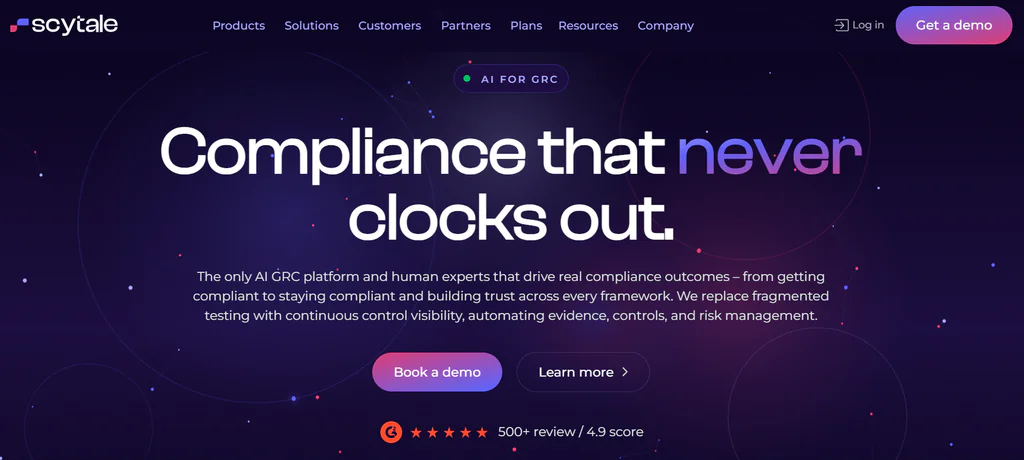
Scytale stands out as the best overall platform for automated audit evidence collection, particularly for organizations managing multiple or overlapping compliance frameworks. Its AI GRC platform brings evidence, controls, risks, policies, and audit workflows together, giving teams a single environment for managing evidence from initial readiness through ongoing compliance.
What particularly differentiates Scytale is its combination of automation and hands-on GRC support. The platform connects with 150+ systems and supports 80+ frameworks, while dedicated experts help teams evaluate gaps, understand evidence requirements, and prepare for external audits.
(Screenshot from Scytale’s website)
Why Scytale is the best:
- Automated evidence collection and validation across connected cloud, identity, HR, DevOps, and security systems.
- AI GRC agents that support evidence review, gap detection, access reviews, vendor risk management, and other compliance workflows.
- Cross-framework mapping that allows controls and evidence to be reused across SOC 2, ISO 27001, GDPR, HIPAA, SOX ITGC, and other requirements.
- Continuous control monitoring to identify changes and control issues between formal assessments.
- Dedicated GRC expert support for scoping, remediation, evidence readiness, and audit preparation.
- Built-in audit workflows and a customizable Trust Center for managing auditor and customer-facing compliance processes.
2. Archer
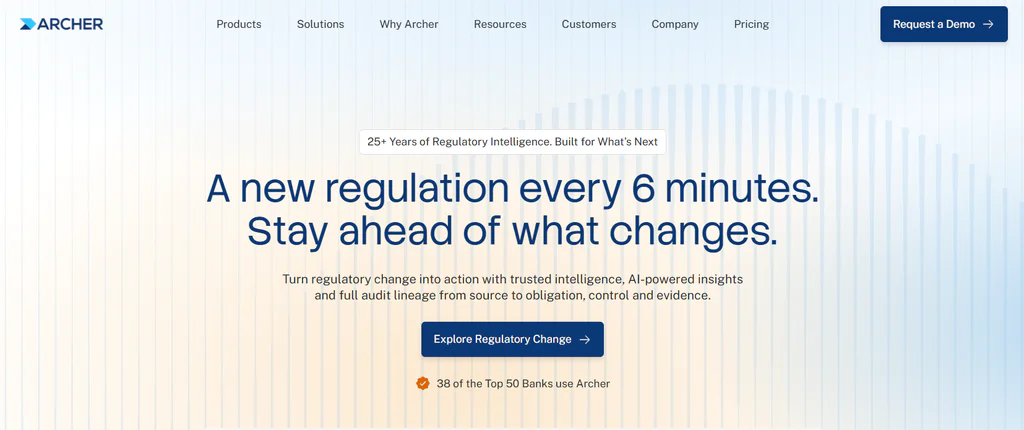
Archer is an enterprise GRC platform designed for organizations with complex governance, risk, audit, and control environments. Its configurable approach is particularly relevant to large organizations that need to adapt workflows to established internal processes rather than work within a predefined compliance model.
(Screenshot from Archer’s website)
Key strengths:
- Highly configurable workflows for control management, issue tracking, and evidence documentation
- Support for complex organizational structures, approval processes, and control ownership models
- Broad GRC functionality spanning risk, policy, audit, compliance, and third-party oversight
Limitations:
- Implementation and administration may require specialized internal resources or external support
- Configuration requirements can result in a longer implementation process than more standardized compliance platforms
3. Optro
Optro is oriented toward organizations where evidence collection forms part of a structured internal audit program. Its approach connects evidence management with audit planning, testing, findings, and follow-up, making it particularly relevant to teams with established internal audit processes.
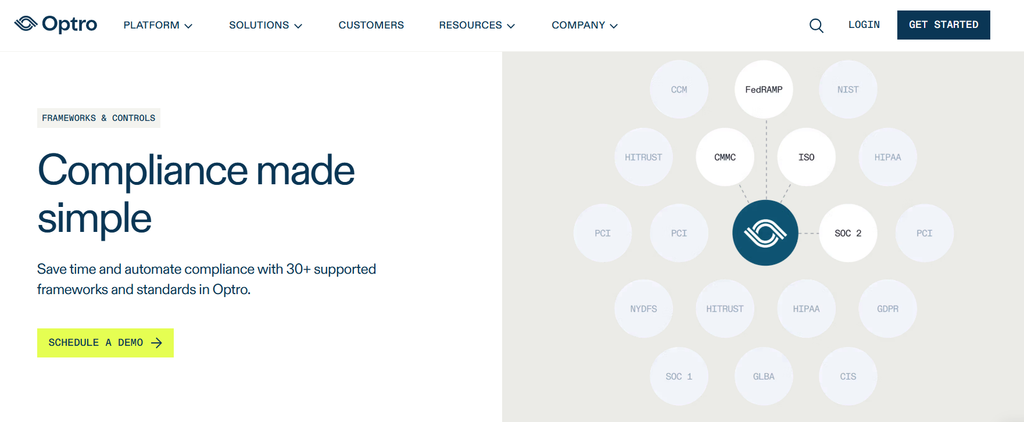
(Screenshot from Optro’s website)
Key strengths:
- Integrated internal audit documentation, testing, and evidence management
- Evidence requests connected directly with audit procedures and follow-up activities
- Audit-focused workflows for organizations requiring structured oversight of testing and findings
Limitations:
- Integration coverage may be more limited for organizations prioritizing broad SaaS-based compliance automation
- Best aligned with organizations that already have established internal audit processes
4. LogicGate
LogicGate takes a workflow-first approach to risk and compliance management, allowing organizations to configure processes around their specific governance requirements. This flexibility can suit teams with established operating models that do not fit neatly into standardized compliance workflows.
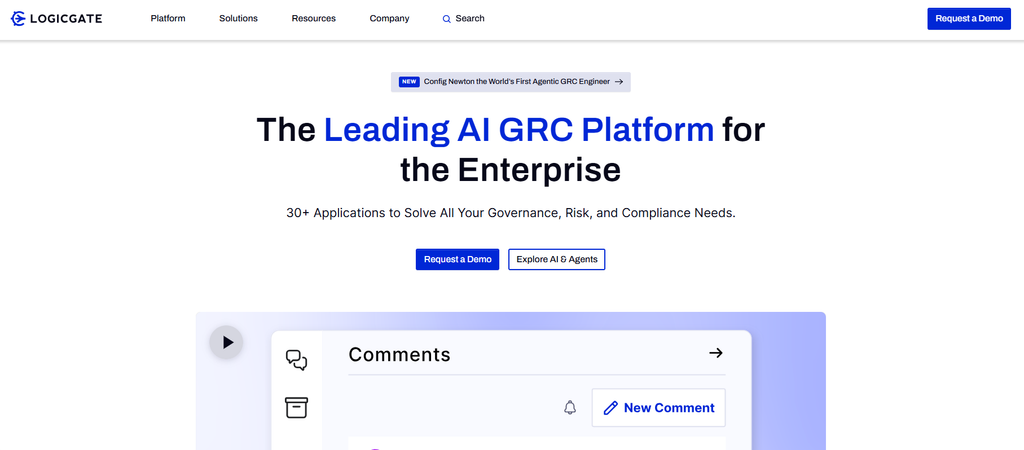
(Screenshot from LogicGate’s website)
Key strengths:
- Configurable workflows for risk, control, evidence, and compliance processes
- Custom forms, routing, approvals, and issue management for organization-specific requirements
- Flexible environment for connecting evidence management with broader risk operations
Limitations:
- Greater configuration may be required before evidence workflows are fully established
- Designing and maintaining custom processes can require additional administrative resources
5. MetricStream
MetricStream is designed for large organizations managing governance, risk, audit, and compliance across complex business structures. Its evidence management capabilities sit within a broader enterprise GRC environment, making it most relevant where multiple functions need to operate within a common governance model.
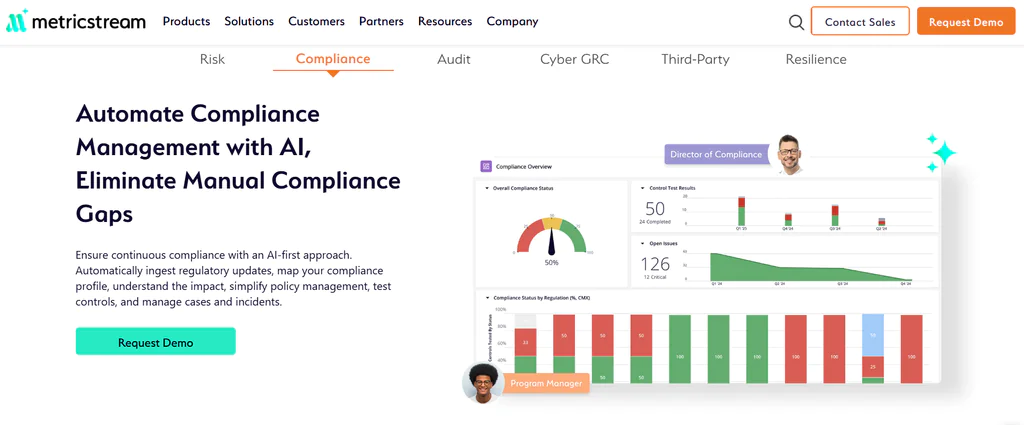
(Screenshot from MetricStream’s website)
Key strengths:
- Enterprise-scale governance, risk, audit, and compliance management
- Support for complex reporting structures, control libraries, issues, and organizational hierarchies
- Evidence management integrated into broader enterprise risk and control processes
Limitations:
- Implementation and ongoing administration can require significant resources
- Its enterprise breadth may exceed the needs of smaller organizations focused primarily on compliance automation
6. Secureframe
Secureframe is a compliance automation platform aimed primarily at technology companies working toward security and privacy frameworks. Its guided workflows provide a structured approach to collecting evidence, tracking controls, and preparing for assessments, particularly for teams with relatively straightforward compliance programs.
(Screenshot from Secureframe’s website)
Key strengths:
- Automated evidence gathering across commonly used cloud, business, and security systems
- Structured workflows for framework readiness, control management, and audit preparation
- Relatively streamlined implementation for technology companies pursuing common frameworks
Limitations:
- Organizations with extensive framework overlap or highly customized governance requirements may require additional flexibility
- The level of hands-on GRC support may not suit every organization with a complex compliance program
7. Vanta
Vanta is a compliance automation platform commonly used by technology companies pursuing frameworks such as SOC 2 and ISO 27001. Its approach emphasizes automated monitoring and accessible compliance workflows, making it particularly relevant to teams looking to manage audit readiness with limited internal resources.
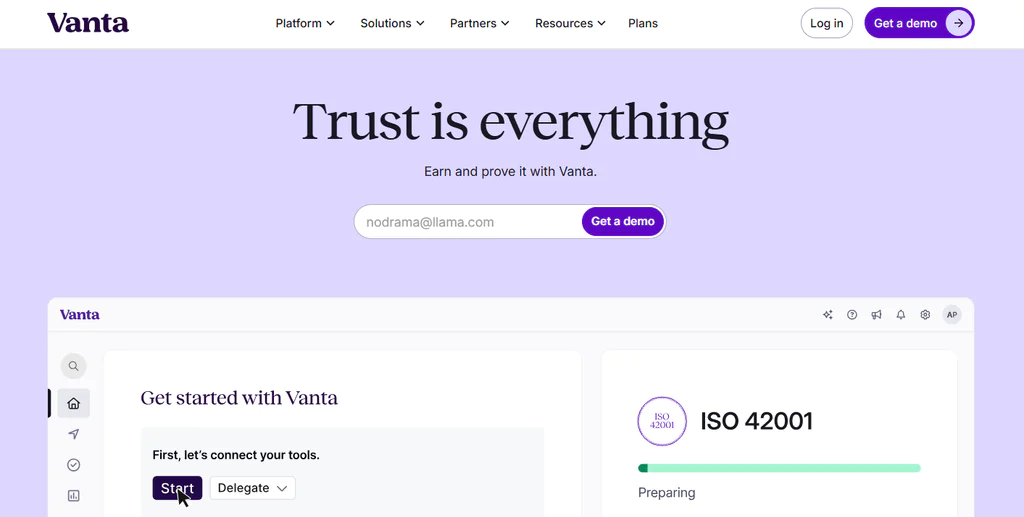
(Screenshot from Vanta’s website)
Key strengths:
- Automated evidence collection across common cloud, identity, device management, and business systems
- Continuous monitoring for tracking control status between audit milestones
- Accessible compliance workflows designed for teams with limited compliance bandwidth
Limitations:
- Organizations managing extensive framework overlap may need to assess whether its cross-framework capabilities meet their requirements
- Highly complex enterprise governance environments may require greater workflow customization
Best audit evidence collection platforms
| Platform | Best for | Key strength |
| Scytale | SaaS organizations automating evidence collection across multiple frameworks | AI GRC automation, continuous monitoring, AI agents, multi-framework management, streamlined GRC processes, and expert guidance |
| Archer | Large audit-mature enterprises | Deep customization, enterprise GRC workflows, complex governance support |
| Optro | Mature internal audit programs | Internal audit alignment, testing workflows, audit documentation |
| LogicGate | Teams building custom risk processes | Custom workflow design, flexible process building, broad risk use cases |
| MetricStream | Large enterprises with dedicated admins | Enterprise GRC breadth, formal control environments, large-scale reporting |
| Secureframe | Fast-growing tech companies with one or two frameworks | Compliance-first automation, guided readiness workflows, faster setup |
| Vanta | Lean teams moving quickly on SOC 2 or ISO 27001 | Usability, continuous monitoring, common SaaS integrations |
Choosing the right platform for your audit evidence needs
The right audit evidence platform depends on your compliance needs, audit processes, and the complexity of your organization. Some teams need extensive customization, while others prioritize automation, ease of use, or support for multiple frameworks. Here are the main types of audit evidence platforms to consider and where each one fits best:
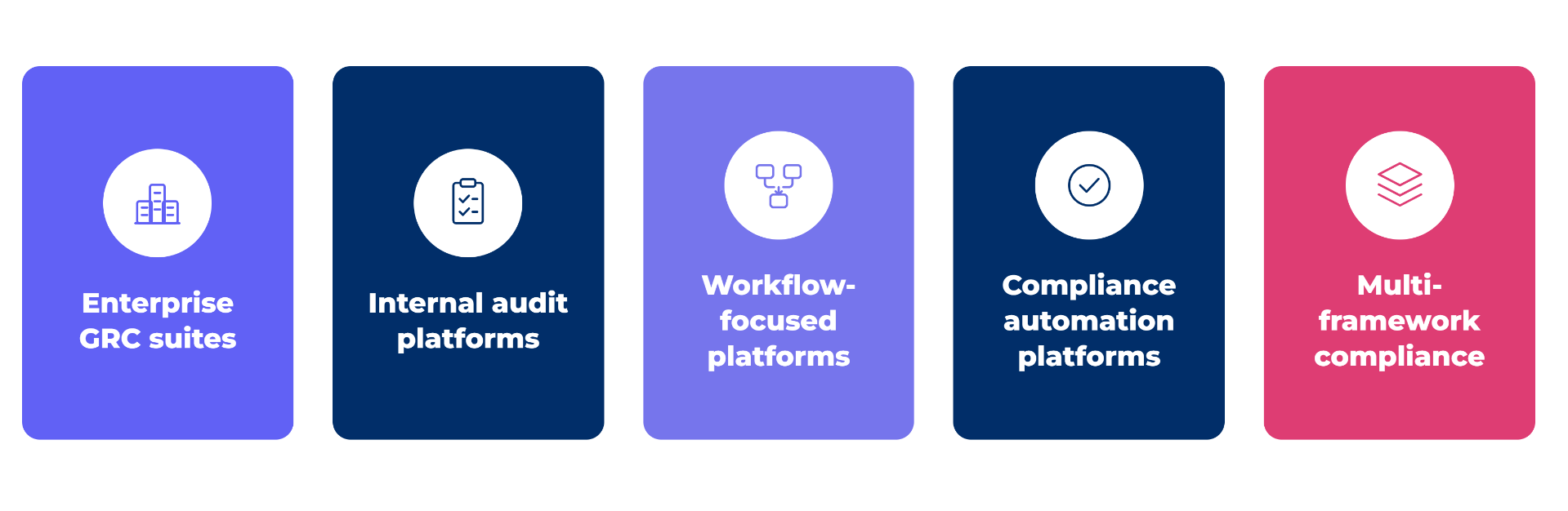
Enterprise GRC suites
Enterprise GRC suites are designed for large organizations with complex governance structures, multiple business units, and established risk and audit functions. They typically provide extensive customization across controls, workflows, reporting, and approval processes. This depth can be valuable for mature programs, although implementation and administration often require more time and specialized resources.
Internal audit platforms
Internal audit platforms are built around audit planning, testing, evidence review, findings, and remediation. They are generally best suited to organizations where evidence collection is part of a structured internal audit program rather than primarily a compliance certification process. This approach can provide strong audit oversight but may offer less automation across broader compliance workflows.
Workflow-focused platforms
Workflow-focused tools prioritize flexibility, allowing organizations to build risk, control, and evidence processes around their own operating model. They can be useful when standard compliance workflows do not reflect an organization’s internal processes or governance structure. The trade-off is that greater flexibility can require more configuration and ongoing administration.
Compliance automation platforms
Compliance automation platforms focus on reducing the manual work involved in collecting evidence, monitoring controls, and preparing for audits. They are often well suited to technology companies pursuing frameworks such as SOC 2 and ISO 27001, particularly when internal compliance resources are limited. When comparing these platforms, consider how well they can support additional frameworks and more complex requirements as the compliance program expands.
Multi-framework compliance
Organizations managing multiple overlapping frameworks should look for platforms that map shared controls and evidence across different requirements. Strong cross-framework mapping can simplify SOC 2 evidence collection by allowing relevant controls and evidence to be reused across ISO 27001, GDPR, HIPAA, and other frameworks where requirements overlap. This becomes increasingly valuable as compliance programs expand and new frameworks are added.



Why Scytale stands out for audit evidence collection
Scytale helps teams move away from treating evidence collection as a recurring audit project. By keeping evidence connected to controls and compliance requirements throughout the year, teams can maintain a clearer picture of readiness and spend less time organizing, checking, and preparing evidence when an audit approaches.
This becomes especially valuable as compliance requirements grow. Scytale combines automation with dedicated GRC experts who can help teams resolve evidence questions, address gaps, and navigate audit requirements as they arise. This helps reduce duplicate work, identify issues earlier, and maintain a more consistent and scalable evidence process across the compliance program.
FAQs about automated evidence collection
How does automated audit evidence collection differ from manual collection?
Automated audit evidence collection differs from manual collection because software gathers and maps evidence from connected systems throughout the year instead of relying on people to pull screenshots and logs before an audit. That approach improves readiness, reduces repetitive work, and gives teams a more current evidence trail.
Why should organizations automate audit evidence collection?
Organizations should automate audit evidence collection because manual collection slows audits and creates duplicate work across frameworks. Automation improves evidence consistency, shortens review cycles, and gives teams earlier visibility into missing artifacts. AI GRC tools like Scytale also combine automation with GRC expert support, helping teams resolve evidence gaps and prepare more effectively for audits.
What types of audit evidence can these platforms collect automatically?
These platforms collect many common evidence types automatically, including access logs, user lists, configuration records, policy acknowledgments, ticket history, and device or cloud settings. The exact coverage depends on integrations and control scope, though most platforms focus on system-generated proof tied to recurring compliance controls.
Which compliance frameworks do audit evidence automation platforms support?
Most audit evidence automation platforms support frameworks such as SOC 2, ISO 27001, HIPAA, PCI DSS, and GDPR. Coverage varies by vendor, especially for cross-framework mapping. Leading AI GRC platforms like Scytale support 80+ frameworks, which helps teams reuse one evidence set across multiple audits instead of recollecting similar artifacts repeatedly.
How do audit evidence collection platforms integrate with existing systems?
Audit evidence collection platforms integrate through native connectors, APIs, and system syncs across cloud, identity, HR, ticketing, and security tools. Those connections pull evidence into a central workspace and tie it to controls. Strong integration coverage matters because evidence usually sits across many operational systems.
How do I choose the right audit evidence collection platform?
Choose the right platform by matching product design to your audit model, framework mix, internal expertise, and integration needs. Large enterprises often need customization, while lean SaaS teams need faster deployment. Scytale fits organizations that want broad automation plus expert guidance across overlapping frameworks.
