








TL;DR: SOC 2 Type 2 compliance
- SOC 2 Type 2 compliance evaluates control design and operating effectiveness across a defined observation period.
- Teams need a clear scope, accountable control owners, documented procedures, and reliable audit evidence.
- Observation periods typically range from three to 12 months, based on customer expectations and audit strategy.
- Timelines and costs depend on readiness, scope, observation length, auditor fees, remediation work, and internal resources.
- Scytale’s AI GRC platform centralizes evidence, monitors controls, and supports SOC 2 Type 2 readiness.
SOC 2 Type 2 compliance is an important step for organizations looking to demonstrate strong security practices, protect customer data, and build trust with customers and partners. Unlike SOC 2 Type 1, which evaluates controls at a specific point in time, SOC 2 Type 2 assesses their effectiveness over an extended period. For SaaS companies, achieving SOC 2 Type 2 compliance can help meet enterprise customer requirements, strengthen security processes, and support business growth.
Preparing for a SOC 2 Type 2 audit requires careful planning, well-documented controls, and consistent evidence collection. Understanding the requirements, timelines, and costs involved can help organizations streamline the process and avoid unnecessary delays. In this article, we’ll explain what SOC 2 Type 2 is, how it differs from Type 1, the key requirements and preparation steps, and best practices for achieving and maintaining compliance.
What is SOC 2 Type 2?
A SOC 2 Type 2 report assesses how an organization manages customer data and whether its controls operate effectively throughout the audit period.
The report provides independent assurance that an organization has implemented effective security controls and consistently maintains them over time. For SaaS companies, it helps demonstrate strong security practices, build customer trust, and meet enterprise vendor due diligence requirements.
SOC 2, which stands for System and Organization Controls 2, is an auditing framework developed by the American Institute of Certified Public Accountants (AICPA). It evaluates how organizations protect customer data based on five Trust Services Criteria: security, availability, confidentiality, processing integrity, and privacy. These criteria guide the controls and processes examined during a SOC 2 audit.
Although SOC 2 compliance is not legally required, it has become a common expectation for technology companies that store, process, or manage sensitive customer data. Unlike SOC 2 Type 1, which assesses control design at a specific point in time, SOC 2 Type 2 evaluates both control design and operating effectiveness over a defined period, providing stronger assurance of an organization’s ongoing security practices.
Streamline GRC workflows with no blind spots.
SOC 2 Type 1 vs. SOC 2 Type 2: What is the difference?
SOC 2 reports fall into two categories, and the distinction shapes the audit plan, required evidence, and expected timing. Type 1 evaluates controls at a specific point in time, while Type 2 evaluates controls across an observation period. Understanding the difference helps teams select the report that meets buyer requirements.
- SOC 2 Type 1 evaluates the design of security controls at a single point in time. It provides a snapshot of whether controls meet design requirements on the selected report date.
- SOC 2 Type 2 evaluates control design and operating effectiveness over a defined period, usually between three and 12 months. It shows whether processes operated consistently, which makes it the report many enterprise customers request.
The five Trust Services Criteria
SOC 2 is built around five Trust Services Criteria (TSC), which define how organizations protect customer data, maintain secure systems, and deliver reliable services. These criteria form the foundation of SOC 2 Type 2 audits and help determine which controls fall within the audit scope. While security is mandatory for every SOC 2 examination, organizations select additional criteria based on their services, contractual obligations, and data-handling practices.
- Security: Protects systems and data against unauthorized access, security threats, and potential breaches through controls such as access management, firewalls, and intrusion detection.
- Availability: Ensures systems and services remain operational and accessible in line with customer commitments and business requirements.
- Processing integrity: Ensures data processing is complete, accurate, timely, valid, and authorized.
- Confidentiality: Protects sensitive business information from unauthorized access, use, or disclosure.
- Privacy: Addresses how personal information is collected, used, retained, disclosed, and disposed of in accordance with privacy commitments and applicable requirements.
The Trust Services Criteria included in your SOC 2 Type 2 report depend on your organization’s operations, customer expectations, and compliance needs. Each selected criterion requires relevant controls and supporting audit evidence to demonstrate operating effectiveness throughout the audit period. Defining the right scope helps organizations focus their compliance efforts, reduce unnecessary work, and demonstrate stronger security practices.
Always-on GRC. Built for modern teams.
Preparing for SOC 2 Type 2 compliance
Preparing for SOC 2 Type 2 compliance requires a clear audit scope, well-documented security controls, and consistent evidence collection. Unlike SOC 2 Type 1, which evaluates controls at a specific point in time, a SOC 2 Type 2 audit assesses how effectively controls operate throughout the observation period. Establishing clear ownership, identifying compliance gaps, and implementing reliable processes early helps organizations reduce audit delays, avoid unnecessary rework, and maintain audit readiness.
Step 1: Conduct a gap analysis
Start with a comprehensive gap analysis to identify where your existing security controls, policies, and procedures fall short of SOC 2 requirements. This assessment helps organizations understand their current compliance posture, identify potential risks, and prioritize improvements before the audit observation period begins.
Review existing documentation, security practices, access controls, and monitoring processes to determine whether they align with the applicable Trust Services Criteria. Assign clear ownership and remediation deadlines for identified gaps to ensure issues are addressed efficiently and controls are ready for ongoing evaluation.
Step 2: Set up and document controls
Once gaps have been identified, implement and document the security controls needed to meet SOC 2 Type 2 requirements. These may include access management policies, encryption, incident response procedures, employee security training, and regular access reviews. Each control should have a clearly defined purpose, assigned owner, and documented process.
Ensure controls are consistently followed and supported by reliable audit evidence throughout the observation period. Auditors will assess both control design and operating effectiveness, making accurate documentation and continuous monitoring essential. Establishing structured evidence collection processes early helps reduce manual work, streamline audit preparation, and demonstrate ongoing compliance.
For example, global business intelligence provider Worldbox completed SOC 2 Type I and Type II with Scytale, reusing 60-70% of its Type I evidence for the Type II audit. Teams that organize evidence early reduce duplicate work between audit stages and maintain a stronger foundation for future frameworks.
Pro tips for achieving SOC 2 Type 2 compliance
A disciplined operating model helps teams manage SOC 2 Type 2 requirements while maintaining business priorities. The right practices support consistent control performance, clearer accountability, and better audit evidence. The following recommendations help organizations prepare for the operational demands of a Type 2 report.
Automate evidence collection and control monitoring
Automation reduces manual work across evidence collection, control tracking, and exception follow-up. Teams often struggle to maintain visibility across the policies, controls, and evidence required for SOC 2 preparation. Compliance automation tools centralize evidence and help teams monitor whether controls operate as intended.
Automation reduces administrative effort and lowers the risk of missed evidence or inconsistent records. It gives control owners clearer visibility into the status of their SOC 2 Type 2 program. Teams also spend less time searching for records when auditors request supporting documentation.
Create a security-focused culture
SOC 2 Type 2 requires a sustained commitment to security across the organization. Regular security awareness training and clear procedures help employees follow required practices and report issues quickly. Leaders should also make security responsibilities visible within daily operating processes.
When employees treat security as part of daily work, teams maintain controls with greater consistency. This shared responsibility supports stronger evidence throughout the audit period. It also helps organizations identify and resolve exceptions before they create audit findings.
Allow enough time to establish controls
Customer requests for a SOC 2 Type 2 report often create urgency. Teams should still establish controls carefully, document procedures, and confirm that employees understand their responsibilities before the observation period starts. A rushed program often creates evidence gaps that delay fieldwork later.
A project manager should coordinate the compliance program and maintain accountability across control owners. Organizations without an internal CISO or compliance leader should involve external specialists to avoid missed requirements, delayed remediation, and unnecessary audit costs. Clear governance helps teams complete work in the correct order and maintain ownership after the report is issued.
Get SOC 2 Compliant 90% Faster
The benefits of SOC 2 Type 2 compliance
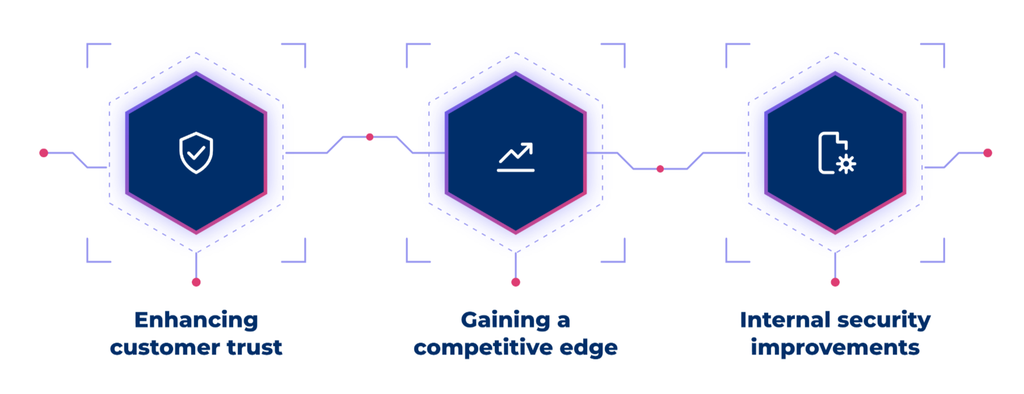
SOC 2 Type 2 requires time and budget, but it delivers meaningful business and security value. The report provides independent evidence that controls operated effectively over time. It also helps organizations present a more structured security program to customers, partners, and prospects. Here are the benefits of SOC 2 Type 2 compliance:
1. Enhancing customer trust
SOC 2 Type 2 strengthens trust with current customers and prospects. The report shows that your organization takes data security seriously and operates controls designed to protect customer information. Independent assurance also helps buyers evaluate vendors with greater confidence.
2. Gaining a competitive edge
In many industries, a SOC 2 Type 2 report influences vendor selection and enterprise sales cycles. Customers often favor vendors with independent evidence of mature data security practices. A current report also helps teams respond to security reviews with documentation instead of informal assurances.
3. Internal security improvements
SOC 2 Type 2 preparation requires teams to assess internal processes, ownership, and evidence quality. This work often improves security practices, operational efficiency, and employee accountability across the organization. By the end of the process, teams often have clearer procedures and stronger records for future audits.
Selecting the right auditor
Choosing the right SOC 2 auditor is essential for a smooth, efficient, and credible audit process. A qualified auditor should understand your industry, systems, and security risks while providing clear guidance on audit timelines, evidence requirements, and expectations. When evaluating audit firms, consider their experience, reputation, communication practices, and ability to support your organization’s specific SOC 2 Type 2 audit scope.
Look for relevant experience
Select an audit firm with proven experience conducting SOC 2 Type 2 examinations for organizations in your industry. Auditors familiar with your business model, technology environment, and security challenges can assess controls more effectively and help ensure the audit process aligns with your organization’s operational requirements. Confirm that the firm is a licensed CPA firm qualified to perform SOC 2 examinations.
Ask for references
Request client references, testimonials, or case studies from organizations with similar systems, audit scopes, and compliance requirements. These insights can help you evaluate the firm’s reliability, expertise, responsiveness, and overall audit experience, giving you greater confidence in your selection.
Communication is key
Choose an auditor who communicates clearly, sets realistic expectations, and provides timely updates throughout the SOC 2 Type 2 audit process. Since the examination covers an extended observation period, consistent communication helps teams address questions, resolve evidence requests, and avoid unnecessary delays. A responsive auditor makes the process more manageable and helps keep your audit on track.



Choosing your SOC 2 Type 2 observation period
Your observation period determines how long controls must operate before the auditor completes SOC 2 Type 2 testing. Choose the period based on customer requirements, program maturity, and the evidence your team can maintain consistently. Teams should begin the period only after control owners understand their responsibilities and evidence collection works reliably.
Organizations often select an observation period of three to twelve months, while first-time audits frequently start with a shorter period. A longer period provides more operating history, while a shorter period supports an earlier report when buyers accept it. The chosen period should align with customer expectations before the audit begins.
Teams should confirm their program works before the period starts, and a window of at least six months often gives customers a more meaningful operating history. A readiness assessment or internal review helps identify control gaps before months of evidence accumulate. This preparation reduces the risk of discovering material issues near the end of the period.
SOC 2 Type 2 timeline and cost
A Type 2 timeline includes readiness work, the observation period, auditor fieldwork, and report issuance. Readiness typically takes one to three months, followed by the three- to twelve-month observation window, one to three weeks of fieldwork, and two to six weeks for report delivery. Scope, control maturity, and auditor availability create meaningful differences between organizations.
Budget planning should include audit fees, remediation, staff time, security tooling, and required testing. The SOC 2 audit fee generally ranges from $12,000 to $70,000, while readiness assessments, policy support, training, and consultants can raise the overall investment. Teams should separate auditor fees from the internal work needed to prepare for the examination.
| Factor | Timeline impact | Cost impact |
|---|---|---|
| Audit scope | Additional criteria and systems require more preparation and testing. | Broader scope increases auditor effort and remediation work. |
| Control maturity | Established controls shorten readiness work before the observation period. | Fewer gaps reduce consulting and remediation expenses. |
| Observation period | The selected period sets the minimum operating history for the report. | Longer periods require more evidence management and control oversight. |
| Audit firm | Auditor availability and fieldwork processes affect report delivery. | Fees differ by firm, engagement complexity, and organization size. |
AI-native GRC for how teams work today.
How Scytale gets you SOC 2 Type 2 ready
Achieving SOC 2 Type 2 compliance requires consistent controls, reliable evidence, and clear ownership across the organization. Scytale helps SaaS organizations manage these requirements through AI-powered control management, evidence collection, and continuous monitoring. The platform gives teams a central workspace to assign ownership, identify gaps, track remediation, and maintain audit evidence throughout the observation period.
Compliance automation software helps teams prepare for SOC 2 Type 2 audit and organize the evidence required for a SOC 2 report. Scytale’s platform, together with a dedicated team of GRC experts, supports organizations through audit preparation and longer-term compliance operations. This approach helps teams establish a repeatable program rather than treating each audit as a separate project.
FAQs about SOC 2 Type 2 compliance
How long does it take to achieve SOC 2 Type 2 compliance?
Organizations can expect the SOC 2 Type 2 process to take approximately 5 to 17 months, depending on their readiness, observation period, and audit timeline. Readiness typically takes 1 to 3 months, the observation period lasts 3 to 12 months, and fieldwork and report delivery add roughly 1 to 2 months. AI GRC platforms like Scytale can shorten readiness by automating evidence collection and flagging control gaps early.
How long is the observation period for a SOC 2 Type 2 audit?
The observation period typically lasts three to 12 months. Many first-time teams choose three to six months to meet a customer deadline, while a period of at least six months often provides a more meaningful operating history. The auditor tests evidence from the entire period, so controls must operate consistently from the first day.
What are the requirements for SOC 2 Type 2 compliance?
Organizations need a defined scope that includes the Security criterion and any other relevant Trust Services Criteria, along with documented policies and controls that address identified risks. Each control needs an owner and evidence showing it operated consistently throughout the observation period. An independent CPA firm then tests that evidence and issues the report.
Can a company go straight to SOC 2 Type 2 without completing Type 1?
Yes, SOC 2 does not require a Type 1 report before a Type 2 examination. Some organizations start with Type 1 to give customers early assurance while their observation period runs, while others go directly to Type 2 when their controls are already mature. Scytale’s AI GRC platform supports both paths, so evidence gathered for a Type 1 report can carry forward into the Type 2 audit.
How much does a SOC 2 Type 2 audit cost?
The SOC 2 audit fee generally ranges from $12,000 to $70,000, depending on scope, company size, and the audit firm. Readiness work, remediation, security tooling, training, and consultants add to the total investment. Leading SOC 2 compliance platforms like Scytale can reduce these internal costs by automating evidence collection and control monitoring.


